- On sale!

Banner

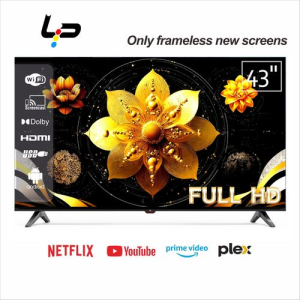
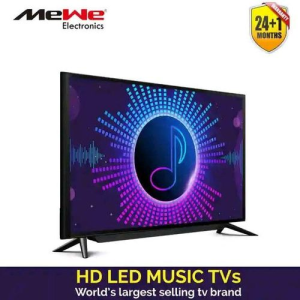
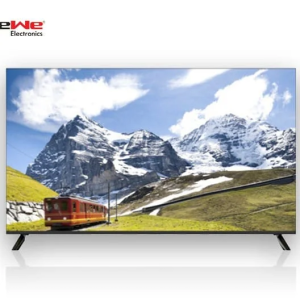
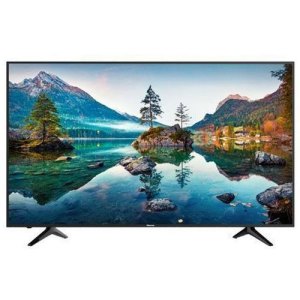
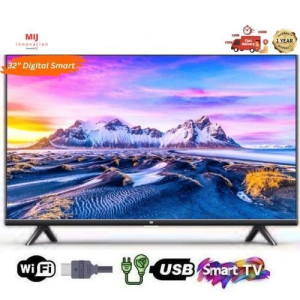
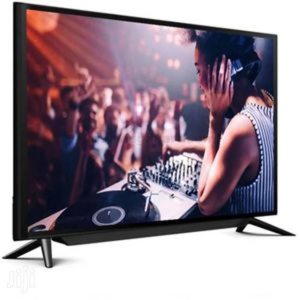
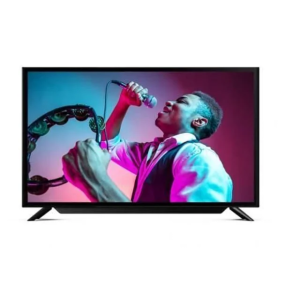
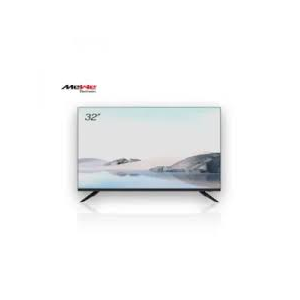
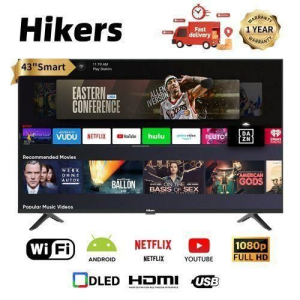
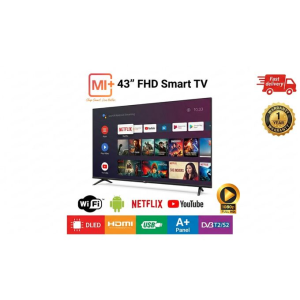
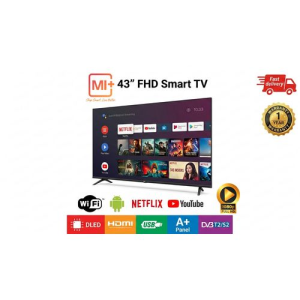
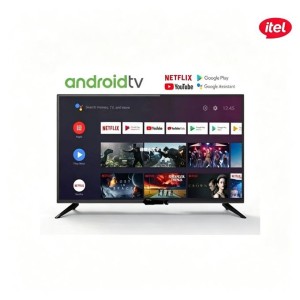
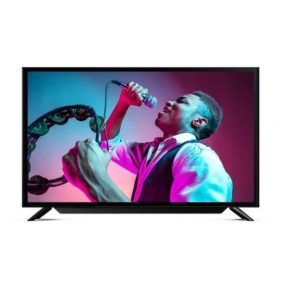
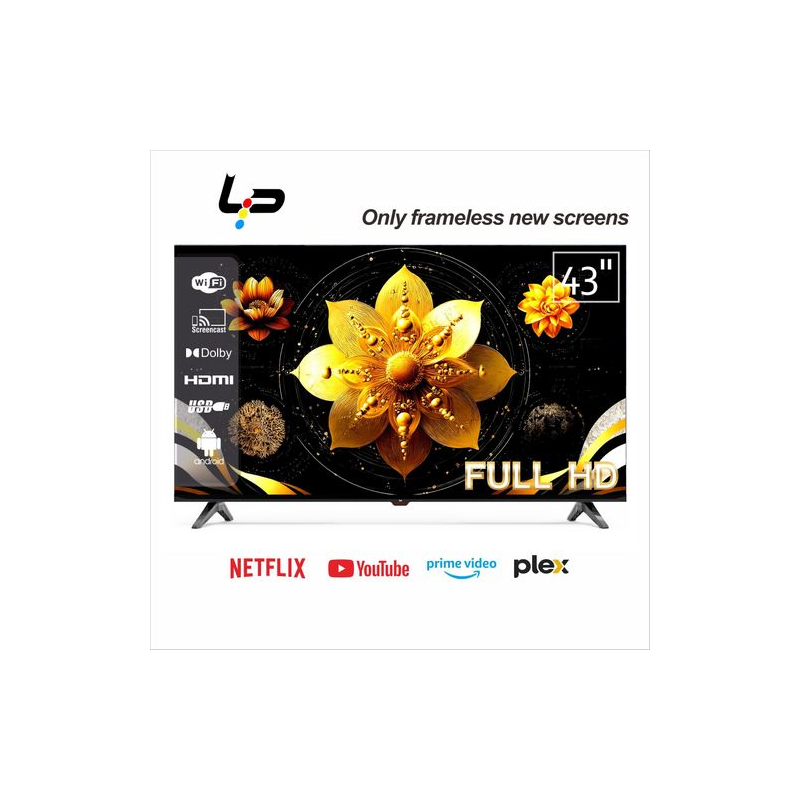
The MEWE LED FHD Smart Frameless TV is an affordable, modern television designed for durability and streaming.
 Security policy
(edit with the Customer Reassurance module)
 Delivery policy
(edit with the Customer Reassurance module)
 Return policy
(edit with the Customer Reassurance module)
A description is a statement, piece of writing, or account that details what something or someone is like. Derived from the Latin descriptio (meaning "to write down"), it aims to create a mental picture or "word painting" for the audience.
Core Types of Description
Descriptions generally fall into two categories based on their intent:
Objective Description: A factual, neutral account that reports the appearance or nature of a subject without personal bias. This is common in scientific reports, legal documents, and user manuals.
Subjective (Impressionistic) Description: A personal account that evokes emotions and feelings. It uses vivid, creative language to show how the author or a character perceives something, often found in fiction and poetry.
Common Applications
Descriptions are essential across many fields to clarify and communicate:
Professional: Job descriptions outline specific roles and responsibilities. In tech, a specification (spec) provides detailed design criteria for a project.
Creative Writing: Authors use sensory details (sight, sound, smell, touch, and taste) to immerse readers in a story.
Identification: Police may issue a physical description of a person to help with recognition.
General Classification: "Description" can also refer to a kind, sort, or variety of something (e.g., "boats of every description").
Key Techniques for Effective Description
To move beyond simply "telling" and start "showing," writers often use:
Sensory Details: Appealing to the five senses to make a scene feel "3D".
Figurative Language: Using similes (comparisons with "like" or "as") and metaphors (stating one thing is another).
Precise Word Choice: Selecting specific, evocative nouns and verbs instead of general ones.

Your review appreciation cannot be sent
Report comment
Report sent
Your report cannot be sent
Write your review
Review sent
Your review cannot be sent
Brand: MEWE ELECTRONICS
Brand: MEWE ELECTRONICS
Brand: MEWE ELECTRONICS
Brand: MEWE ELECTRONICS
Brand: MEWE ELECTRONICS
Brand: MEWE ELECTRONICS
Brand: MEWE ELECTRONICS
Brand: MEWE ELECTRONICS
Brand: MEWE ELECTRONICS
Brand: ITEL
Brand: MEWE ELECTRONICS
The MEWE LED FHD Smart Frameless TV is an affordable, modern television designed for durability and streaming.
check_circle
check_circle